
Blockchain Meaning: What It Is, How It Works, and Why It Matters
The term blockchain is everywhere today, but many people still wonder about the real blockchain meaning and why it matters so much. From cryptocurrencies like Bitcoin to secure digital records, blockchain technology is changing how information is stored and shared online.
In simple terms, blockchain is a new way of keeping records that removes the need for a central authority, making data more secure, transparent, and trustworthy. Let’s break it down step by step.

What Is the Blockchain Meaning?
The blockchain meaning refers to a digital system that records information in a secure, transparent, and decentralized way. Instead of storing data in one central database, blockchain spreads the data across a network of computers called nodes.
Each record, known as a block, contains transaction data. These blocks are linked together in a chain, forming a permanent and tamper-resistant record. Once information is added to the blockchain, it cannot be changed without altering every block that comes after it.
This structure makes blockchain highly trustworthy and difficult to hack.
What Is Blockchain Technology?

Blockchain technology is the system that allows blockchains to work. It uses cryptography, distributed networks, and consensus mechanisms to ensure that every transaction is verified and accurate.
Unlike traditional databases owned by banks or companies, blockchain is often decentralized, meaning no single organization controls it. Everyone in the network has access to the same version of the data.
How Blockchain Works (Step by Step)
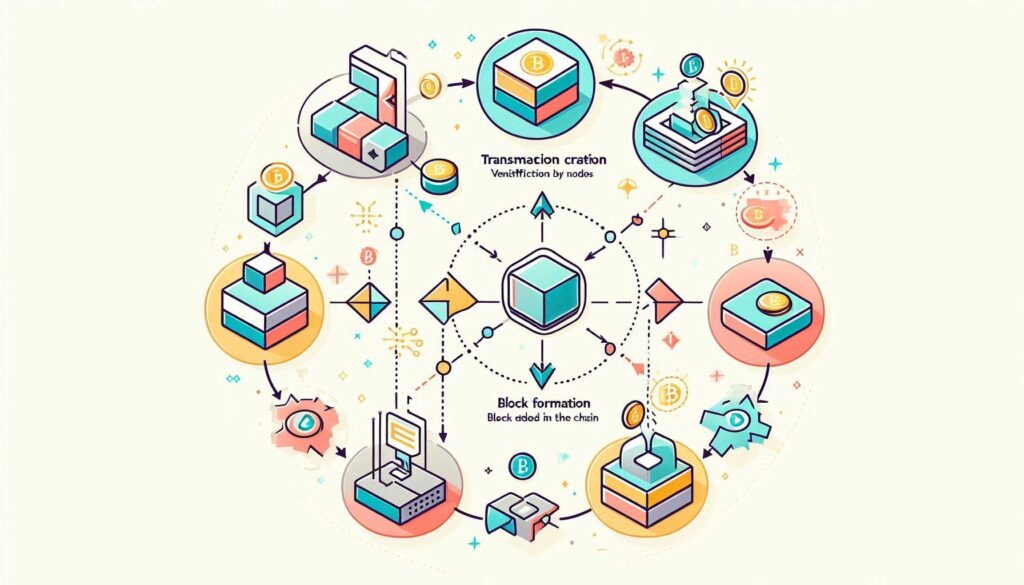
Understanding how blockchain works makes the blockchain meaning much clearer:
- A transaction is created (for example, sending cryptocurrency).
- The transaction is broadcast to a network of computers (nodes).
- Nodes verify the transaction using agreed rules.
- Verified transactions are grouped into a block.
- The block is added to the existing blockchain.
- The transaction becomes permanent and visible to the network.
This process removes the need for middlemen and builds trust through technology instead of institutions.
Key Components of Blockchain
To fully understand the blockchain meaning, you should know its main components:
- Blocks: Store transaction data
- Chain: Links blocks in chronological order
- Nodes: Computers maintaining the network
- Cryptography: Protects data with encryption
- Consensus Mechanism: Agreement system (like Proof of Work or Proof of Stake)
Each part plays a role in keeping the system secure and reliable.
Types of Blockchain
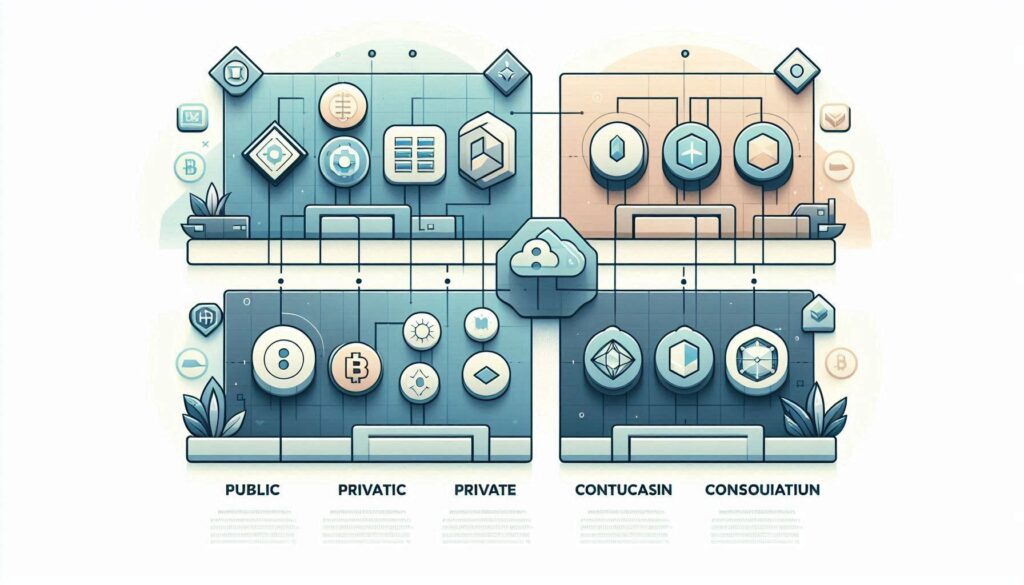
There isn’t just one type of blockchain. The main types include:
- Public Blockchain: Open to anyone (Bitcoin, Ethereum)
- Private Blockchain: Controlled by a single organization
- Consortium Blockchain: Managed by multiple organizations
- Hybrid Blockchain: Mix of public and private features
Different use cases require different blockchain types.
Blockchain vs Traditional Databases
Traditional databases are usually controlled by one central authority. Blockchain, on the other hand, is shared and distributed.
| Feature | Traditional Database | Blockchain |
| Control | Centralized | Decentralized |
| Security | Moderate | Very High |
| Transparency | Limited | High |
| Data Changes | Editable | Immutable |
This comparison highlights why blockchain is seen as a major technological shift.
Why Blockchain Matters
The importance of blockchain goes beyond cryptocurrency. It solves real problems such as lack of trust, data manipulation, and inefficiency.
Blockchain matters because it:
- Reduces fraud
- Increases transparency
- Improves security
- Lowers transaction costs
- Builds trust without intermediaries
These benefits make blockchain valuable across many industries.
Real-World Uses of Blockchain
The blockchain meaning becomes more practical when you look at real use cases:
- Cryptocurrency: Secure digital money
- Finance: Faster cross-border payments
- Supply Chain: Track goods from origin to delivery
- Healthcare: Secure patient records
- NFTs: Proof of digital ownership
- Voting Systems: Transparent elections

Blockchain and Cryptocurrency: What’s the Difference?
Many people confuse blockchain with cryptocurrency. Blockchain is the technology, while cryptocurrency is one application of that technology.
Bitcoin uses blockchain, but blockchain can exist without cryptocurrency. Understanding this difference clears up a common misunderstanding.
Advantages and Limitations of Blockchain
Advantages
- High security
- Transparency
- No central authority
- Data integrity
Limitations
- Scalability issues
- High energy use (for some blockchains)
- Technical complexity
- Regulatory uncertainty
Blockchain is powerful, but not perfect.
The Future of Blockchain Technology
The future of blockchain looks promising. From Web3 to digital identity and smart contracts, adoption is growing rapidly. As technology improves, blockchain will likely become faster, greener, and more user-friendly.
Conclusion
Understanding the blockchain meaning is no longer optional in today’s digital world. Blockchain is more than just the technology behind cryptocurrencies — it is a powerful system for storing and sharing information in a way that is secure, transparent, and decentralized. By removing the need for intermediaries and relying on verified data across a network, blockchain introduces a new level of trust to online interactions.
As adoption continues to grow across industries like finance, healthcare, supply chain management, and digital identity, blockchain’s real value becomes clearer. While challenges such as scalability and regulation still exist, ongoing innovation is steadily addressing these limitations.
In simple terms, the blockchain meaning represents a shift in how we think about data ownership, security, and trust. Learning how blockchain works today helps prepare you for a future where digital systems are more open, reliable, and efficient.

One Comment